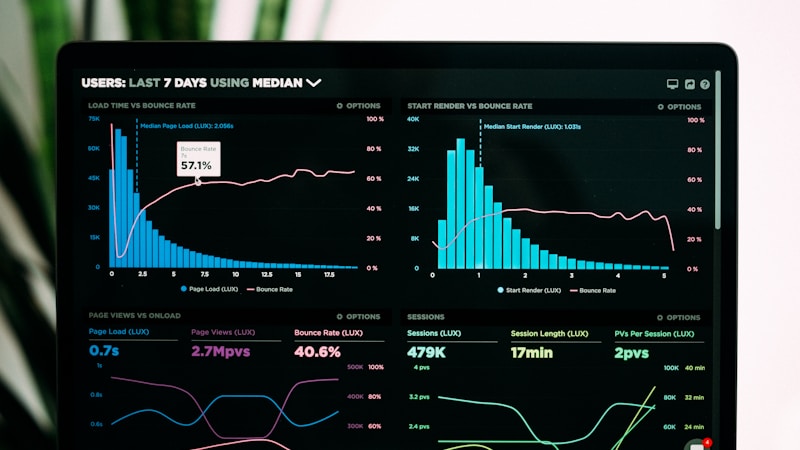

The data analytics landscape continues to evolve rapidly in 2026. New tools emerge while established platforms add powerful features. Whether you're a beginner or a seasoned analyst, staying current with the right tools is essential.
Python remains the undisputed king of data analysis, with pandas, numpy, and scikit-learn powering most workflows. SQL is equally essential — every data professional needs strong query skills regardless of the specific tools they use.
For visualisation, Tableau and Power BI continue to dominate the business intelligence space. However, open-source alternatives like Metabase and Apache Superset are gaining traction, especially among startups and cost-conscious organisations.
Cloud platforms have become indispensable. AWS, Google Cloud, and Azure all offer robust data analytics services that scale from small projects to enterprise-level data lakes. Serverless query engines like Athena and BigQuery allow analytics without managing infrastructure.
The rise of AI-assisted analytics tools is also noteworthy. Tools like Julius AI and pandas-ai allow analysts to query data using natural language, dramatically reducing the time from question to insight.